
Essential Tips for Maintaining Your Gazebo Covers
Gazebos are a beautiful addition to any outdoor space, providing shade and a cozy area for relaxation or gatherings. However, to keep your gazebo looking its best, proper maintenance of the gazebo covers is essential. Neglecting this aspect can lead to wear and tear, reducing the lifespan of your investment. In this post, we will explore effective tips for maintaining your gazebo covers, ensuring they remain functional and visually appealing for years to come.
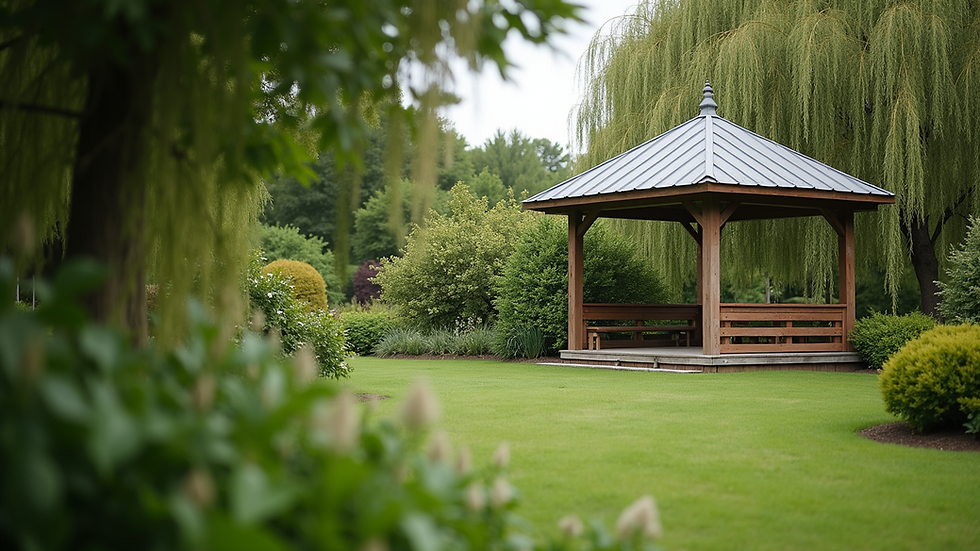
Understanding the Importance of Gazebo Covers
Gazebo covers serve multiple purposes. They protect your gazebo from the elements, including rain, snow, and UV rays. Additionally, they help maintain the overall aesthetic of your outdoor space. Here are a few reasons why maintaining your gazebo covers is crucial:
Protection from Weather: Covers shield your gazebo from harsh weather conditions, preventing damage to the structure.
Longevity: Regular maintenance can significantly extend the life of your gazebo covers, saving you money in the long run.
Aesthetic Appeal: A well-maintained cover enhances the visual appeal of your outdoor area, making it more inviting.
Regular Cleaning
One of the most important aspects of maintaining your gazebo covers is regular cleaning. Dirt, debris, and mildew can accumulate over time, leading to deterioration. Here’s how to keep your covers clean:
Materials Needed
Soft-bristle brush
Mild soap or detergent
Water
Hose or bucket
Soft cloth or sponge
Cleaning Steps
Remove Loose Debris: Use a soft-bristle brush to gently remove any leaves, dirt, or debris from the surface of the cover.
Prepare Cleaning Solution: Mix mild soap or detergent with water in a bucket.
Scrub the Cover: Dip a soft cloth or sponge into the cleaning solution and scrub the cover gently. Pay extra attention to any stained areas.
Rinse Thoroughly: Use a hose or bucket of clean water to rinse off the soap. Ensure no residue is left behind.
Dry Completely: Allow the cover to air dry completely before putting it back on the gazebo. This helps prevent mildew growth.
Inspect for Damage
Regular inspections are vital for identifying any damage early on. Look for signs of wear and tear, such as:
Tears or Rips: Small tears can often be repaired, but larger ones may require replacement.
Fading: UV rays can cause colors to fade over time. If the cover looks significantly faded, it may be time to consider a new one.
Mildew or Mold: If you notice any mildew or mold, clean it immediately to prevent further growth.
Repairing Minor Damage
If you find minor damage during your inspections, addressing it promptly can save you from more extensive repairs later. Here are some common repair methods:
Sewing Tears
For small tears, you can sew them up using a needle and outdoor fabric thread. Make sure to use a strong stitch to ensure durability.
Patching
For larger rips, consider using a patch. You can purchase fabric patches designed for outdoor use. Cut the patch to size, apply a waterproof adhesive, and press it firmly onto the damaged area.
Waterproofing
After cleaning and repairing, consider applying a waterproofing spray to your gazebo cover. This will help repel water and protect against future damage.
Seasonal Maintenance
Seasonal changes can impact the condition of your gazebo covers. Here’s how to maintain them throughout the year:
Spring
Inspect for Winter Damage: After winter, check for any damage caused by snow or ice.
Deep Clean: Perform a thorough cleaning to remove any dirt accumulated during the winter months.
Summer
Check for UV Damage: Inspect for fading or wear due to sun exposure.
Apply Waterproofing: Consider reapplying waterproofing spray to enhance protection.
Fall
Prepare for Winter: Remove any leaves or debris that may have accumulated.
Store Properly: If you plan to take down the cover for winter, ensure it is clean and dry before storing it in a cool, dry place.
Winter
Remove Snow Accumulation: If snow accumulates on the cover, gently remove it to prevent sagging or tearing.
Inspect for Ice Damage: Check for any ice buildup that could cause damage.
Choosing the Right Material
The material of your gazebo cover plays a significant role in its maintenance. Here are some common materials and their maintenance needs:
Canvas
Pros: Durable and breathable.
Cons: Requires regular cleaning and may fade over time.
Maintenance: Clean regularly and apply waterproofing spray as needed.
Vinyl
Pros: Water-resistant and easy to clean.
Cons: Can become brittle in extreme temperatures.
Maintenance: Wipe down with a damp cloth and inspect for cracks.
Polyester
Pros: Lightweight and resistant to fading.
Cons: May not be as durable as canvas or vinyl.
Maintenance: Clean regularly and store properly during off-seasons.
Storing Your Gazebo Covers
If you decide to remove your gazebo covers for any reason, proper storage is essential to maintain their condition. Here are some tips for storing your covers:
Clean Before Storing: Always clean and dry the covers before storing them to prevent mildew.
Use a Storage Bag: Store the covers in a breathable storage bag to protect them from dust and moisture.
Keep in a Cool, Dry Place: Store the covers in a location that is cool and dry to prevent damage from humidity.
Conclusion
Maintaining your gazebo covers is essential for prolonging their lifespan and keeping your outdoor space looking its best. By following these tips—regular cleaning, inspecting for damage, repairing minor issues, and seasonal maintenance—you can ensure your gazebo covers remain functional and attractive. Remember, a little effort goes a long way in preserving your investment. So, take the time to care for your gazebo covers, and enjoy your outdoor oasis for years to come!


Comments